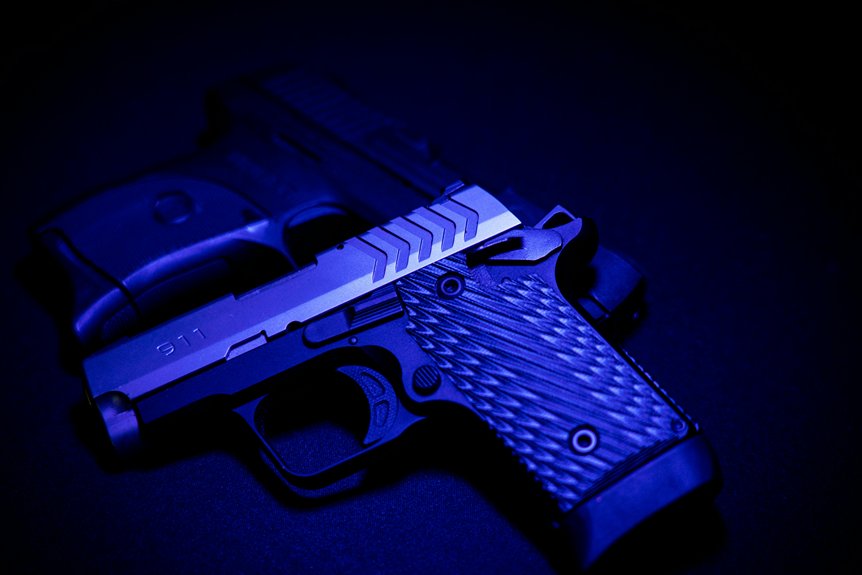


It’s interesting how many people you meet who have strong opinions on open carry and concealed carry. Both methods offer unique approaches to firearm possession, each with its own set of benefits and drawbacks. But which one’s right for you? Understanding the differences can help you make an informed choice that aligns with your personal values and comfort level. Let’s explore the nuances of these two options and what they mean for gun ownership.
Definition of Open Carry
Open carry refers to the practice of visibly carrying a firearm in public. This means you can openly display your weapon, whether it’s holstered on your hip or slung across your back.
Many people choose open carry as a way to express their Second Amendment rights and promote gun ownership visibility. Depending on where you live, laws regarding open carry can vary considerably, so it’s vital to know your local regulations. Some states require permits, while others allow it without any special licenses.
Open carry can foster a sense of security, as it often deters crime. However, it can also attract attention, both positive and negative, so it’s important to be aware of your surroundings and engage respectfully with others.
Definition of Concealed Carry
While some prefer to openly display their firearms, others opt for concealed carry, which allows individuals to carry a firearm hidden from view.
Concealed carry means you can keep your firearm discreetly tucked away, ensuring it’s not visible to others. This option provides a sense of personal security while minimizing the risk of alarming those around you.
With concealed carry, you have the flexibility to choose how and when to reveal your firearm, enhancing your safety and comfort in public spaces.
It’s important to understand that concealed carry often requires specific permits and adherence to state laws.
Legal Framework for Open Carry
Understanding the legal framework for open carry is essential for anyone considering this method of firearm possession. Each state has its own laws, so you’ll need to research your local regulations. Some states allow open carry without a permit, while others require you to obtain one.
Be aware that certain locations, like schools and government buildings, often prohibit open carry. Additionally, some states may have restrictions on the type of firearm you can openly carry.
It’s vital to familiarize yourself with these specifics to avoid legal issues. Always stay updated on changes in the law, as regulations can shift. By understanding these legal aspects, you’ll be better prepared to exercise your rights responsibly and safely.
Legal Framework for Concealed Carry
Concealed carry laws vary considerably across the United States, making it crucial for you to know the regulations specific to your state.
In many states, you’ll need a permit to carry a concealed weapon, which often requires background checks, fingerprinting, and a training course. Some states have “shall-issue” laws, meaning authorities must issue permits if you meet the criteria, while others have “may-issue” laws, granting discretion to local officials.
Additionally, a few states allow for constitutional carry, which lets you carry concealed without a permit.
Always be aware of where you can legally carry, as some areas, like schools and government buildings, often have restrictions. Staying informed guarantees you’re compliant and safe while exercising your right to concealed carry.
Pros and Cons of Open Carry
Open carry has sparked considerable debate, as it presents both advantages and drawbacks for gun owners.
One major pro is visibility; when you carry openly, you may deter potential threats simply by displaying your firearm. This can enhance your sense of security and that of those around you. Additionally, open carry can promote awareness of gun rights, fostering conversations and potentially normalizing responsible firearm ownership.
On the flip side, open carry can attract unwanted attention or escalate tensions in certain situations. Some people may feel uncomfortable or threatened, leading to conflicts.
Furthermore, you might face scrutiny or criticism from those who oppose open carry laws. Weighing these pros and cons is essential to determine if open carry aligns with your personal beliefs and lifestyle.
Pros and Cons of Concealed Carry
Carrying a firearm discreetly offers unique advantages and challenges for gun owners. One major pro is the element of surprise; an attacker won’t know you’re armed, giving you a tactical edge.
Concealed carry can also reduce anxiety for those who prefer not to draw attention. Additionally, it’s often more accepted in social settings, allowing you to blend in seamlessly.
However, there are downsides. Finding the right holster can be tricky, and comfort is vital for effective carry.
You might face legal restrictions that vary by state, complicating your ability to carry in certain areas. Finally, if you need to access your firearm quickly, concealed carry may slow you down.
Balancing these factors is essential for responsible gun ownership.
Public Perception and Social Implications
While opinions on firearms vary widely, public perception of how you choose to carry can greatly impact your interactions and experiences.
Open carry often invites attention and can evoke strong reactions—both positive and negative. Some people view it as a statement of freedom and self-defense, while others feel uneasy or threatened.
Conversely, concealed carry tends to be less noticeable, which can lead to a more comfortable atmosphere for social interactions. However, it may sometimes lead to assumptions about your intentions.
Understanding these dynamics is essential in maneuvering social settings. Ultimately, your choice will shape not just how you feel but how others perceive you, influencing everything from casual conversations to deeper community interactions.
Choosing the Right Method for You
Your choice between open carry and concealed carry depends on various factors unique to your lifestyle, values, and comfort level.
Think about where you’ll be carrying your firearm. If you often frequent crowded spaces or events, concealed carry might be your best bet for discretion and safety.
On the other hand, if you value visibility and want to make a statement about your rights, open carry could suit you better.
Consider your local laws and regulations, as they vary considerably. Also, reflect on how comfortable you feel handling your firearm in public.
Ultimately, choose the method that aligns with your beliefs and situational needs—it’s about what makes you feel secure and empowered in your daily life.
